
Straight tuck end
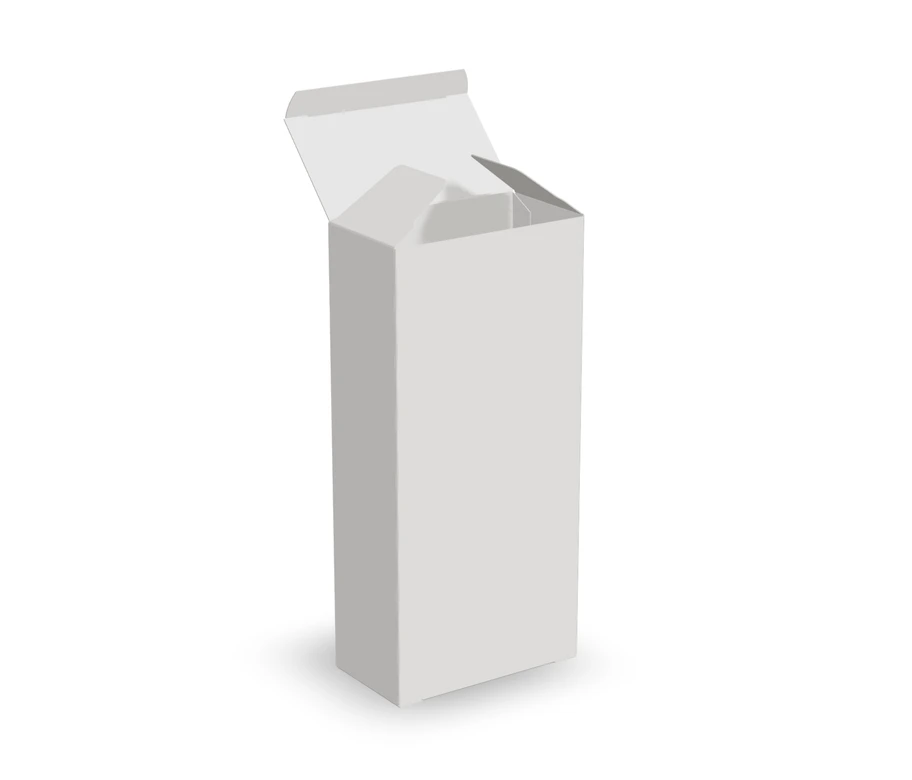
Both tucks fold in from the same side, so the front panel stays clean at top and bottom. Perfume (ECMA A20.20.01.01) and Cereal (A20.20.03.03).
Each folding box template here is a one-sheet paperboard carton for a shelf product, labeled with its ECMA code. Start from how the carton closes.
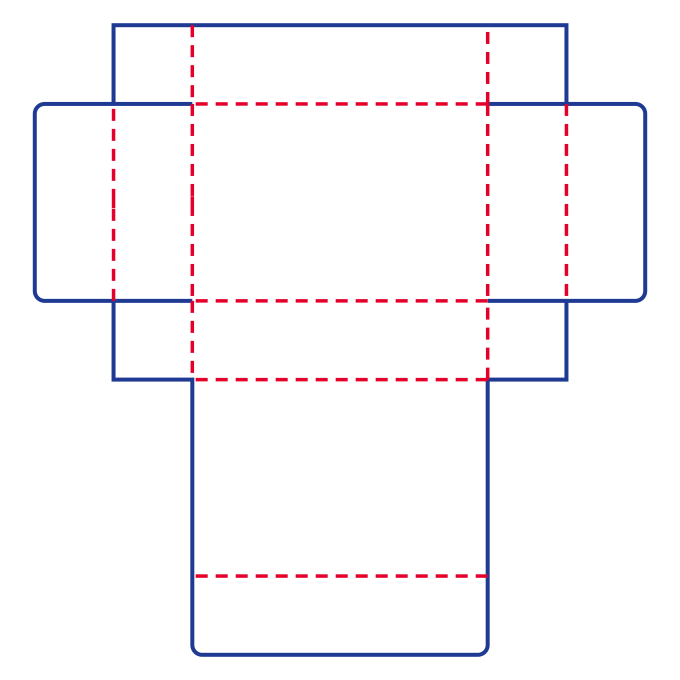
1 dieline shown
The closure decides how the carton is filled, opened and shown on a shelf. Each card names the styles and their ECMA codes.
Both tucks fold in from the same side, so the front panel stays clean at top and bottom. Perfume (ECMA A20.20.01.01) and Cereal (A20.20.03.03).
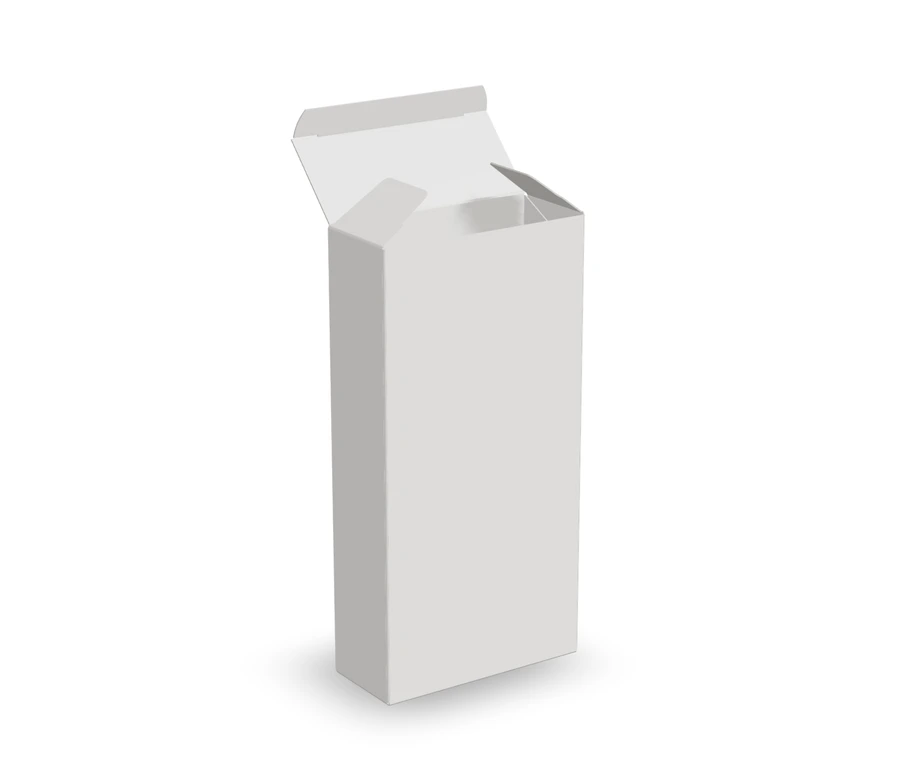
The top tuck folds from the back and the bottom tuck from the front. Often used on medicine boxes and packing lines. Medicine (A20.20.01.03) and Tea (A20.20.03.01).
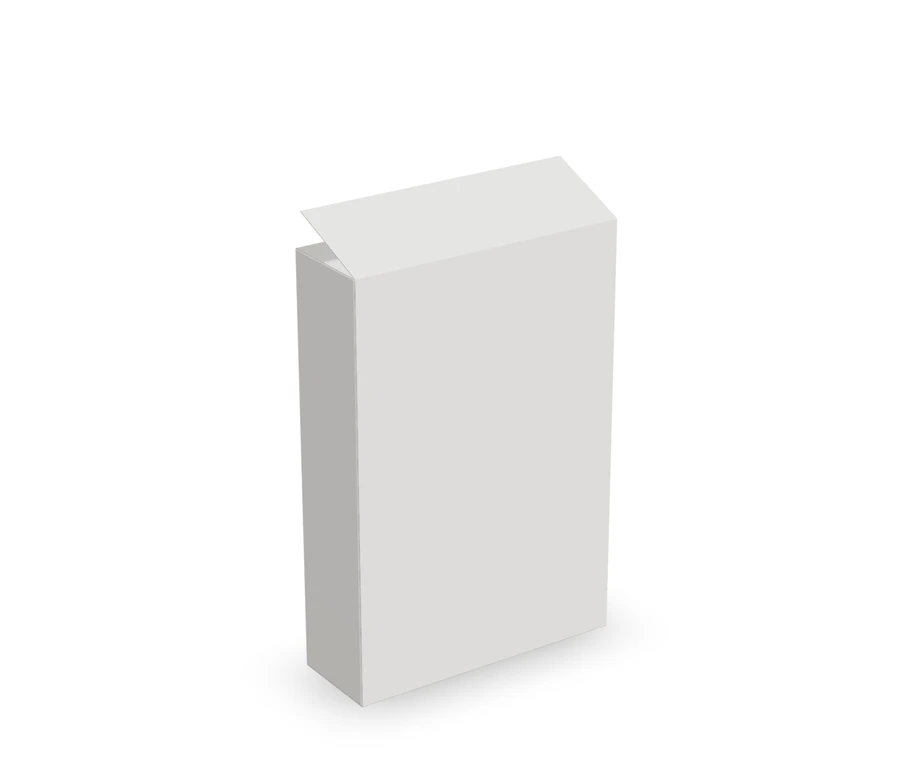
Flaps glued shut at both ends. Holds loose, heavy contents such as dry pasta, and opens by tearing. Pasta (A1010).
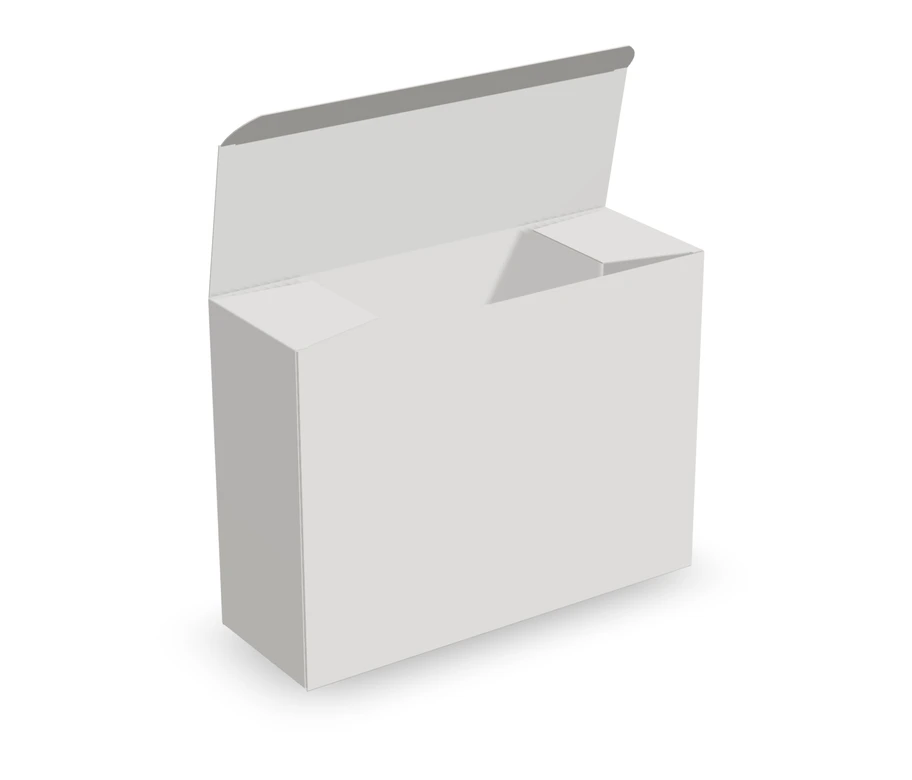
The bottom is glued, the top tucks closed, so the carton can be opened and shut from the top. Tuck top (A1020).
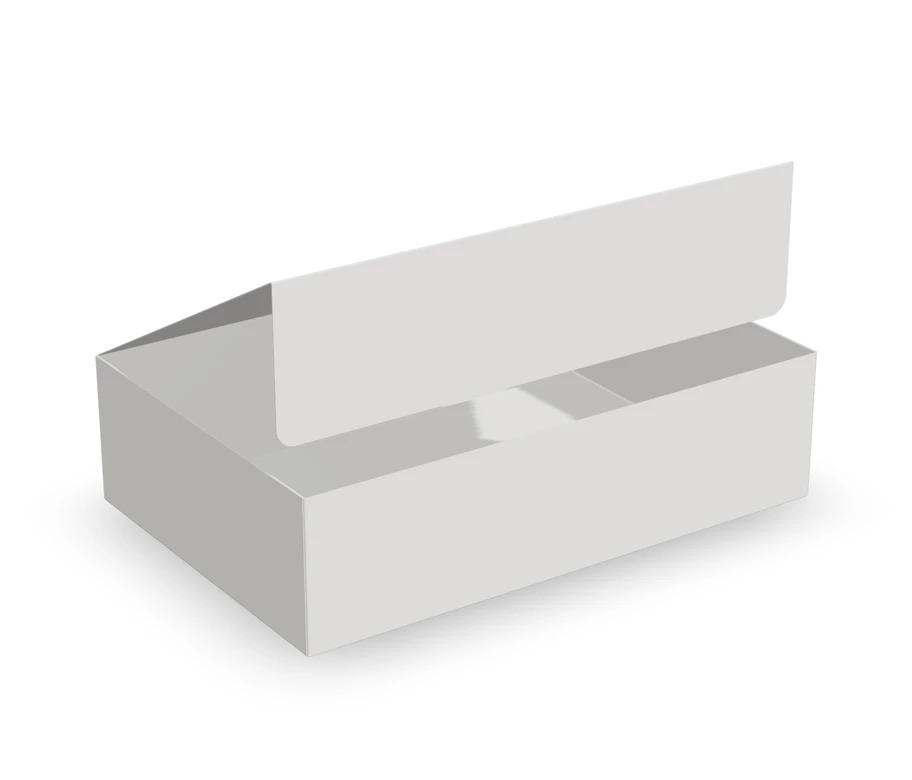
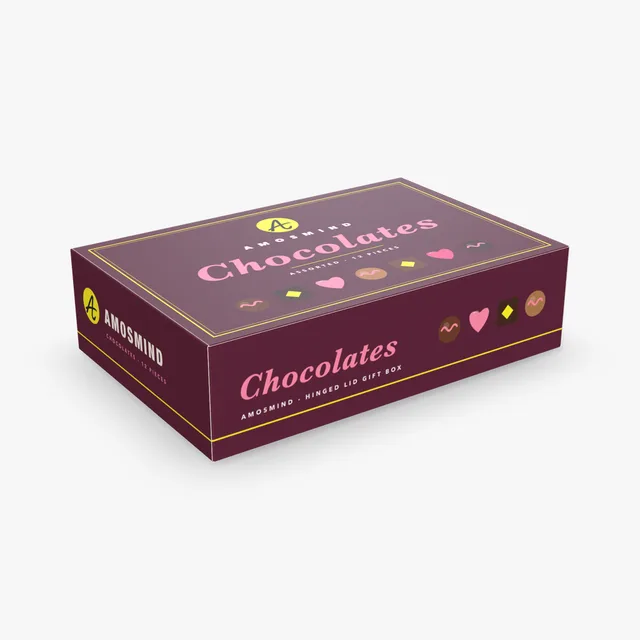
A one-piece lid folds over the base along a hinge crease and opens like a small chest. Hinged lid (B4020.50).
Paperboard is sold in points (pt); one point is 0.001 inch. On the perfume carton, going from 0.3 to 0.6 mm moves the outside size by about 1.0 mm.
| Board | About | Styles that offer it |
|---|---|---|
| 12 pt | 0.3 mm | Perfume, Medicine, Tea, Cereal |
| 16 pt | 0.4 mm | Perfume, Medicine, Tea, Cereal (their default) |
| 20 pt | 0.5 mm | All seven; the only option for Pasta, Tuck top and Hinged lid |
| 24 pt | 0.6 mm | Perfume, Medicine, Tea, Cereal |
On the flat sheet the panels sit side by side. This is what each one becomes once the carton is folded.
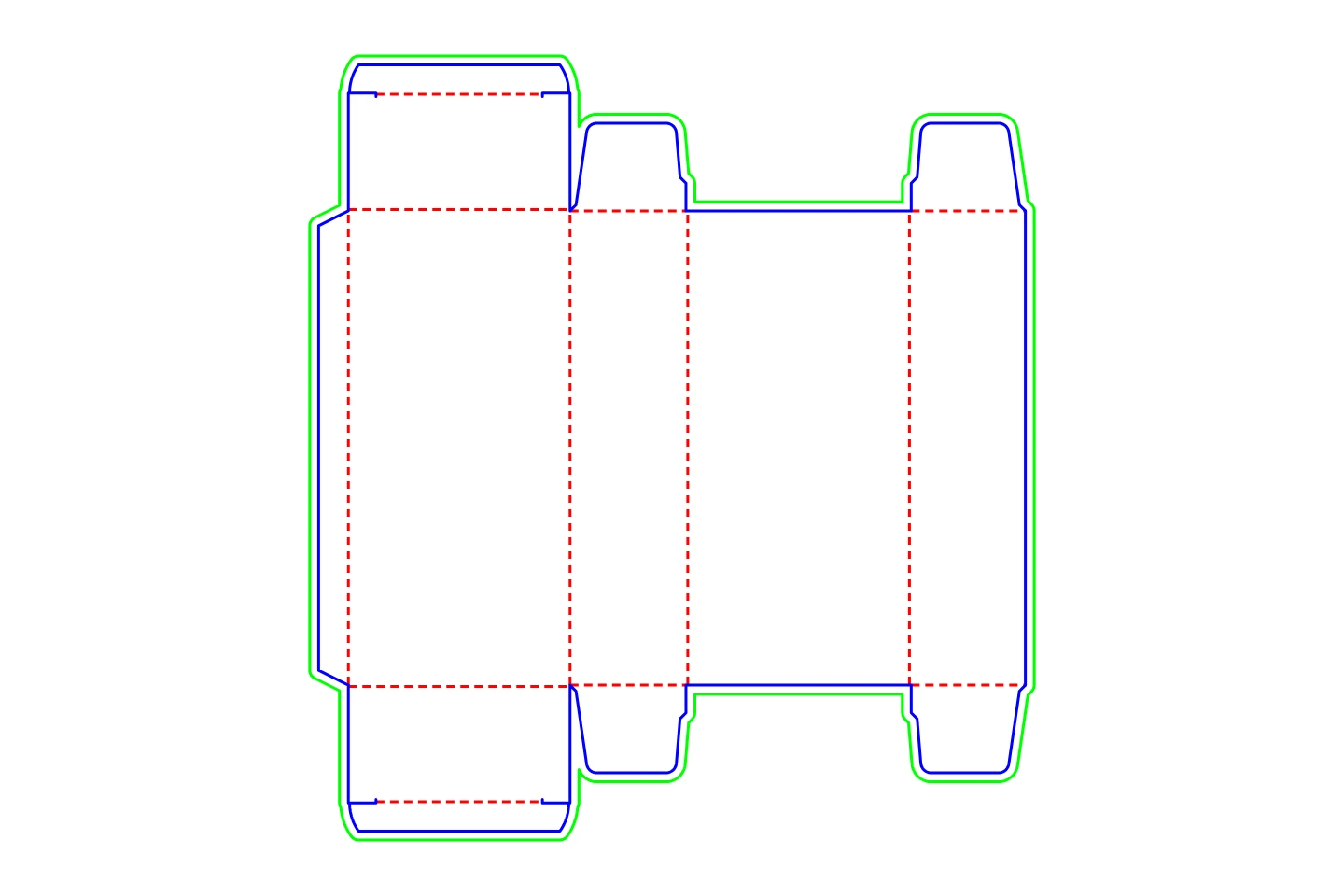
The face on the shelf. Brand, product name and the main image go here.
Ingredients, barcode and the small print most products need.
Directions, a story or a second image.
Seen each time the carton is opened. A good place for a small logo or a batch number.
The small flaps tucked under each end. Usually left plain, since they sit inside.
Each carton opens at a typical size for its product. Change it to fit yours; the last column is the one rule each style keeps.
| Style | Default inside size | Rule it keeps |
|---|---|---|
| Perfume | 75.0 × 40.0 × 160.0 mm (2.9528 × 1.5748 × 6.2992 in) | Width no more than length |
| Medicine | 60.0 × 25.0 × 120.0 mm (2.3622 × 0.9843 × 4.7244 in) | Width no more than length |
| Tea | 130.0 × 80.0 × 70.0 mm (5.1181 × 3.1496 × 2.7559 in) | Width no more than length |
| Cereal | 190.0 × 60.0 × 280.0 mm (7.4803 × 2.3622 × 11.0236 in) | Width no more than length |
| Pasta | 190.0 × 65.0 × 280.0 mm (7.4803 × 2.5591 × 11.0236 in) | Width up to 0.49 × length |
| Tuck top | 190.0 × 65.0 × 140.0 mm (7.4803 × 2.5591 × 5.5118 in) | Width up to 0.49 × length |
| Hinged lid | 300.0 × 200.0 × 80.0 mm (11.8110 × 7.8740 × 3.1496 in) | Height up to 0.5 × width |
Both fold from a flat dieline. What you pack, and how it travels, decides which one.
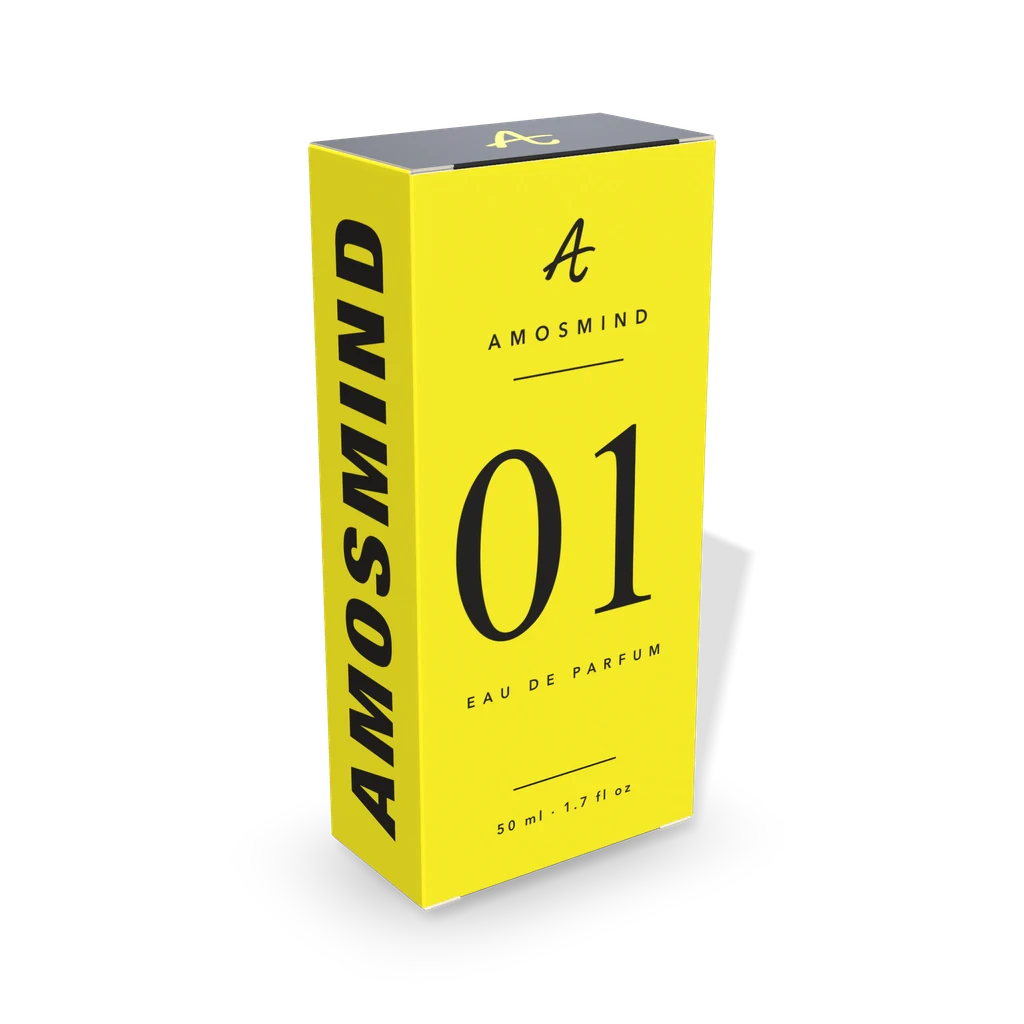
For products that sit on a shelf.
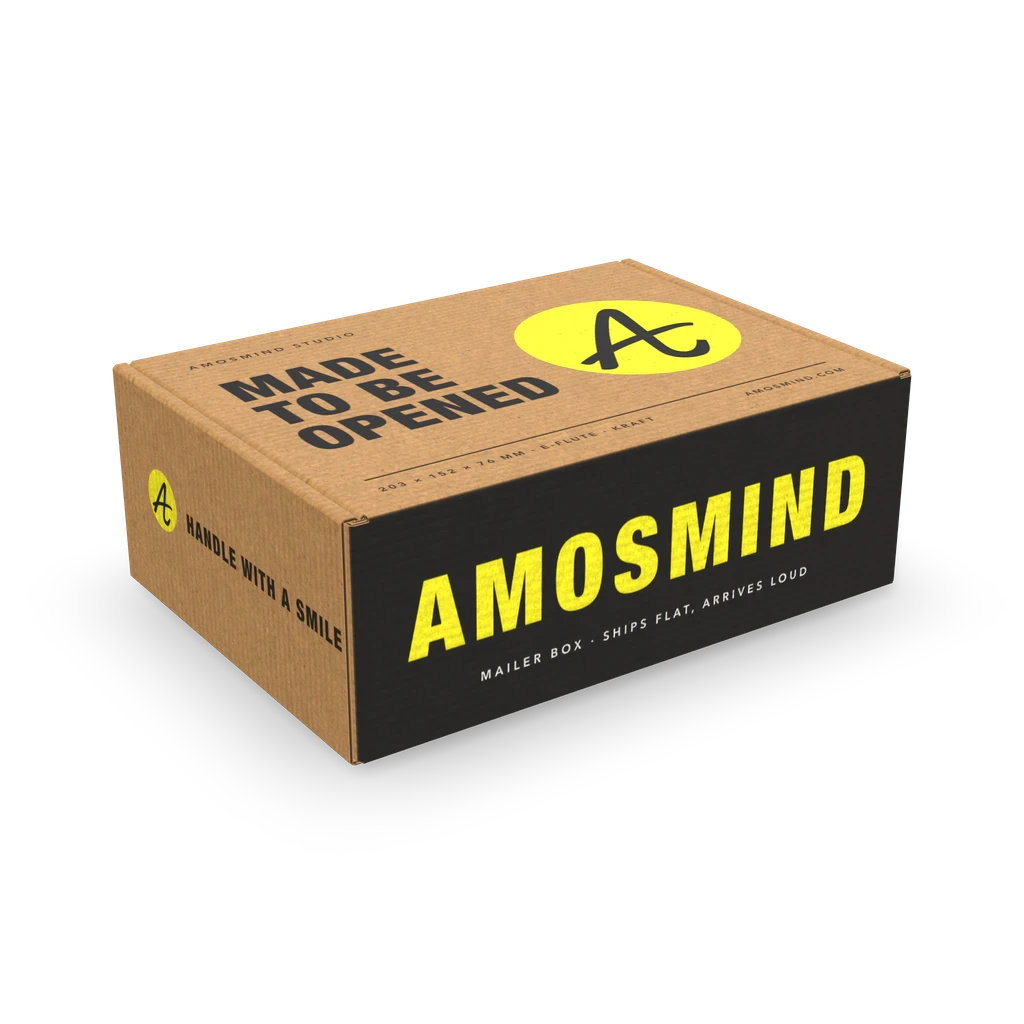
For products that travel on their own.
What people ask before they print a paperboard carton.
A box made from one sheet of paperboard, cut and creased flat, then folded and glued into shape. Most cosmetics, medicine and food boxes on a shop shelf are folding cartons.
Only on the side seam, where the glue tab joins the sheet into a tube. The tuck ends close by friction, so the carton can be opened and closed again.
Measure the product at its widest points and add a little room on each side, usually a millimeter or two, then enter that as the inside size.
From the European Carton Makers Association, whose code book names folding carton constructions. Giving a printer the code saves describing every flap.
Yes. Any dieline opens at its default size with the 3D preview and the Info numbers. Changing the size or the board thickness, and downloading files, need a Plus plan: $12 a month or $72 a year.
Yes. Design in 3D in the dieline editor opens the perfume box mockup at the same size, in a new tab, so you can place your label and turn the box around.