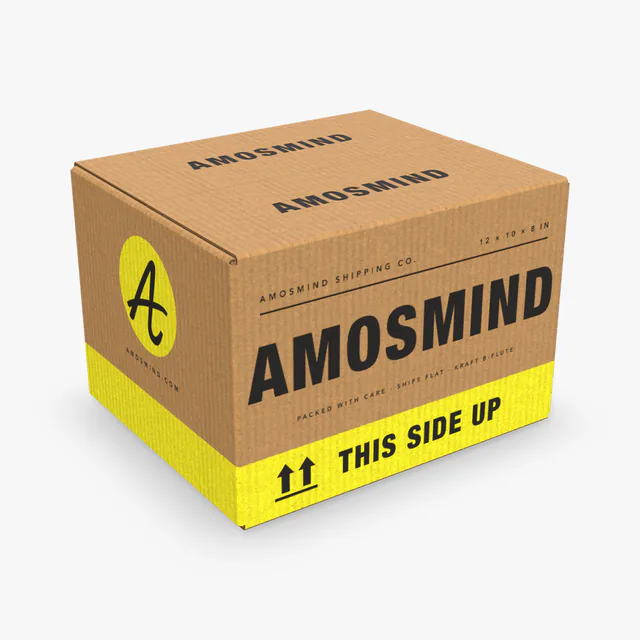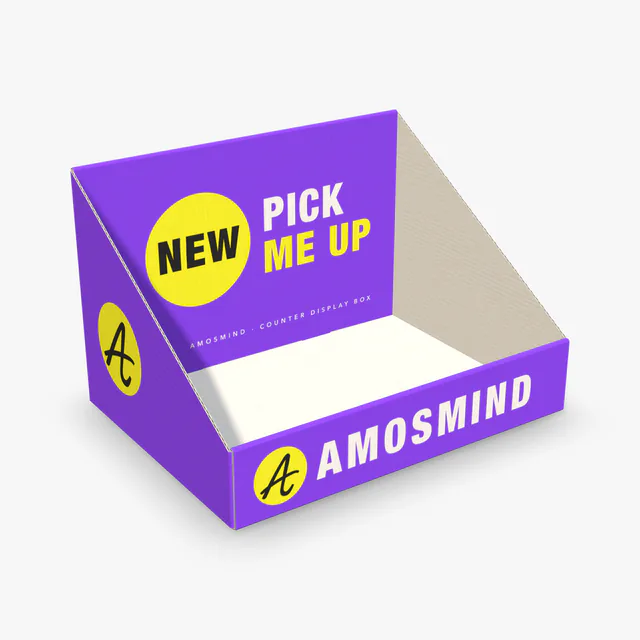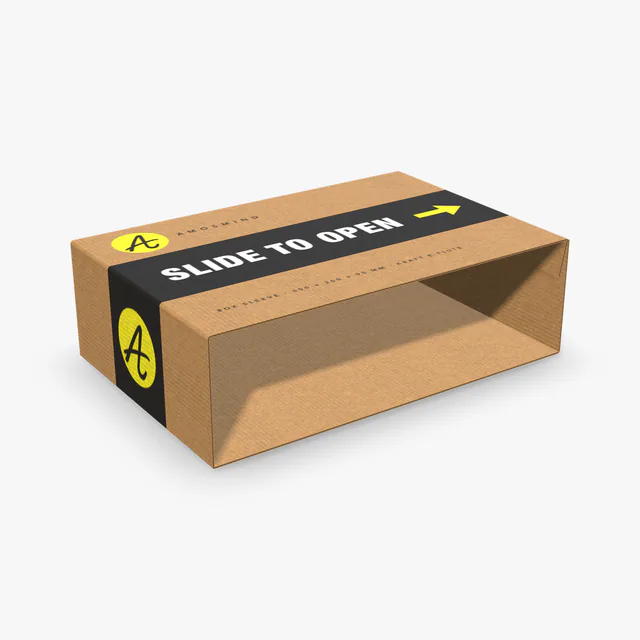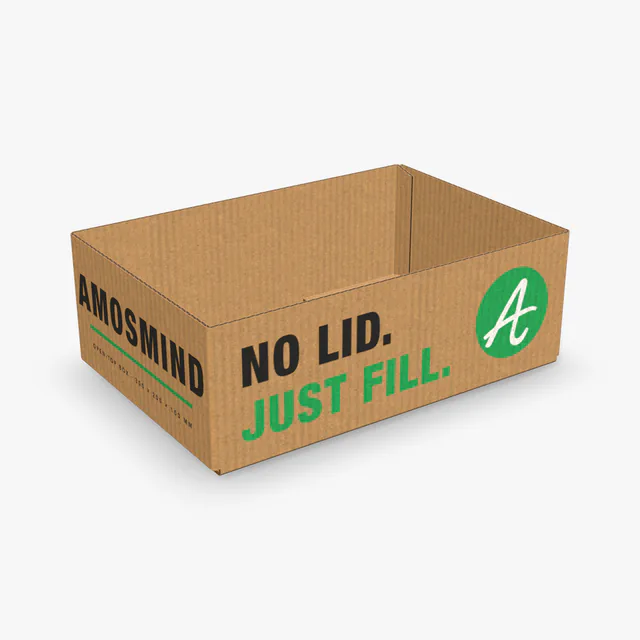
Online brands ordering their first boxes
See your logo on a box in your size before you pay for a minimum order.
- Your product size, not a stock photo
- Kraft or white on the same box
- A dieline to send for a quote
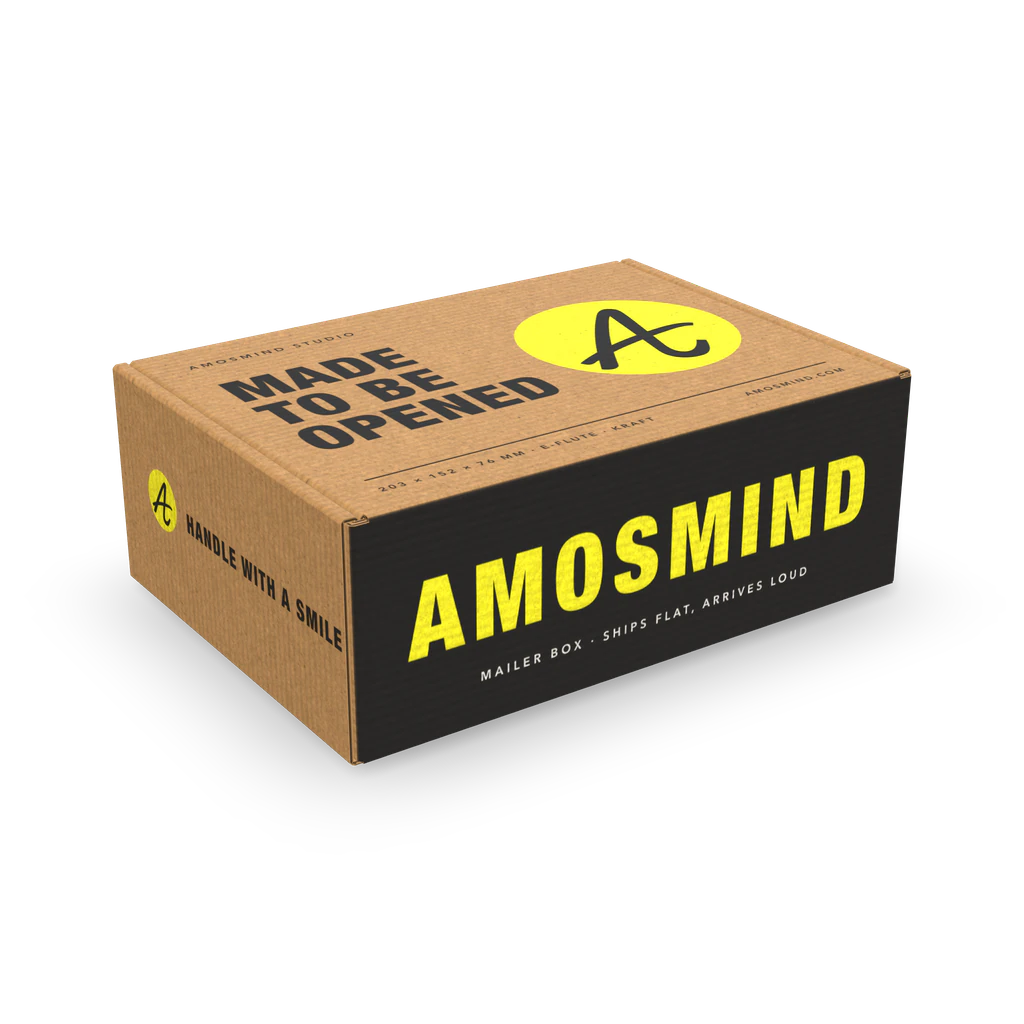
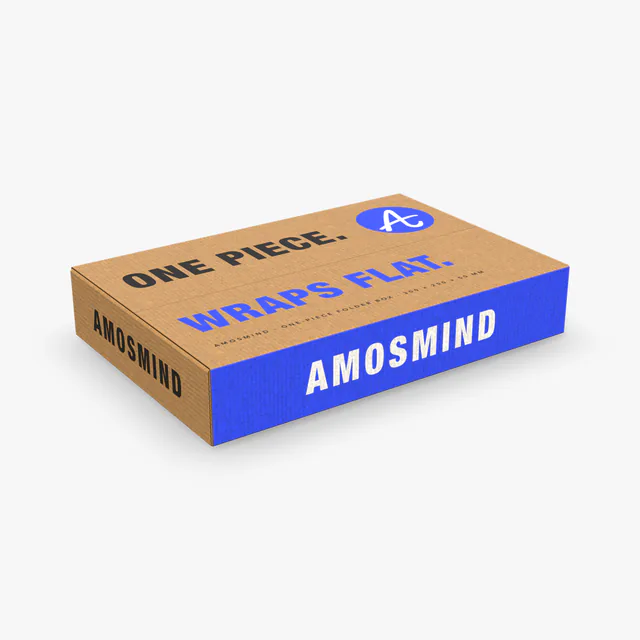
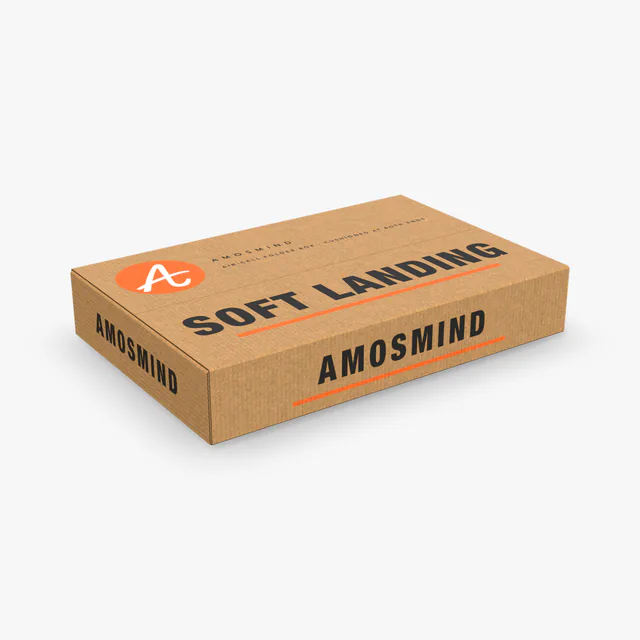
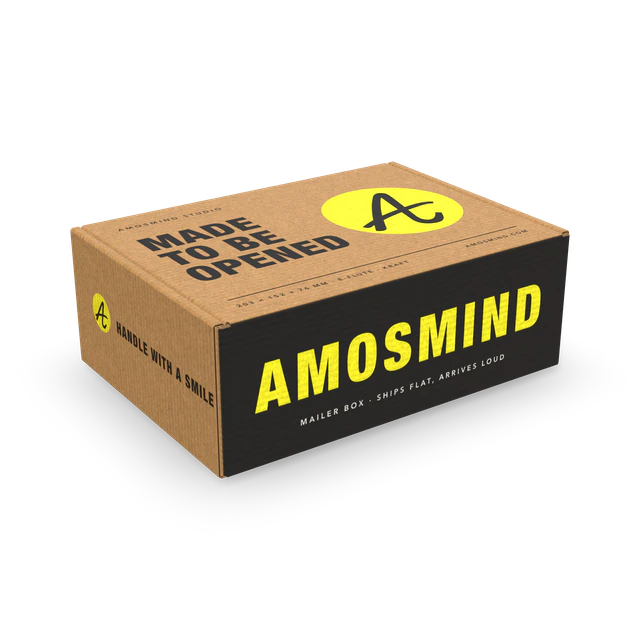
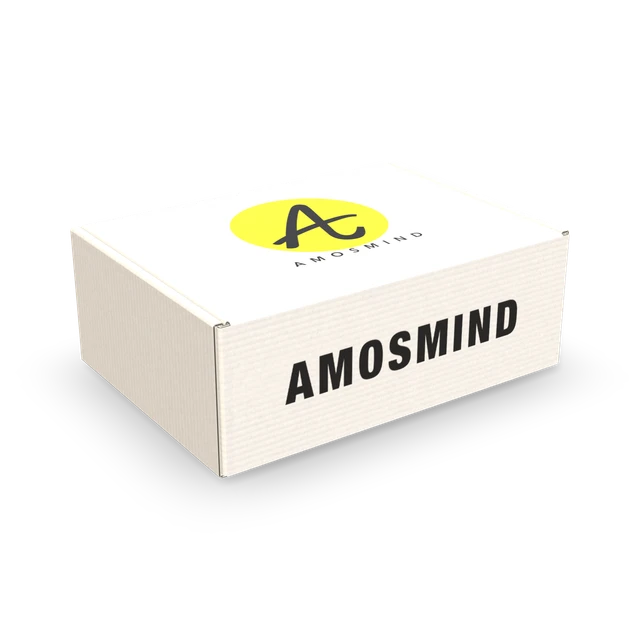
A 3D mockup of a mailer box, the one-piece corrugated box with a tuck-front lid that online brands ship in. Type in your own size, pick kraft or white board and place your artwork outside and inside.
In the editor you can
Sizes are inside dimensions. The mockup shows the board color and your artwork; print color, coatings and foil are confirmed on a printed sample.
Wiki
A mailer box is a one-piece corrugated box that folds up without glue or tape. The lid is hinged on the back wall and tucks in at the front, which is why it is also called a roll-end tuck-front box. In the FEFCO code of box styles it is style 0427.
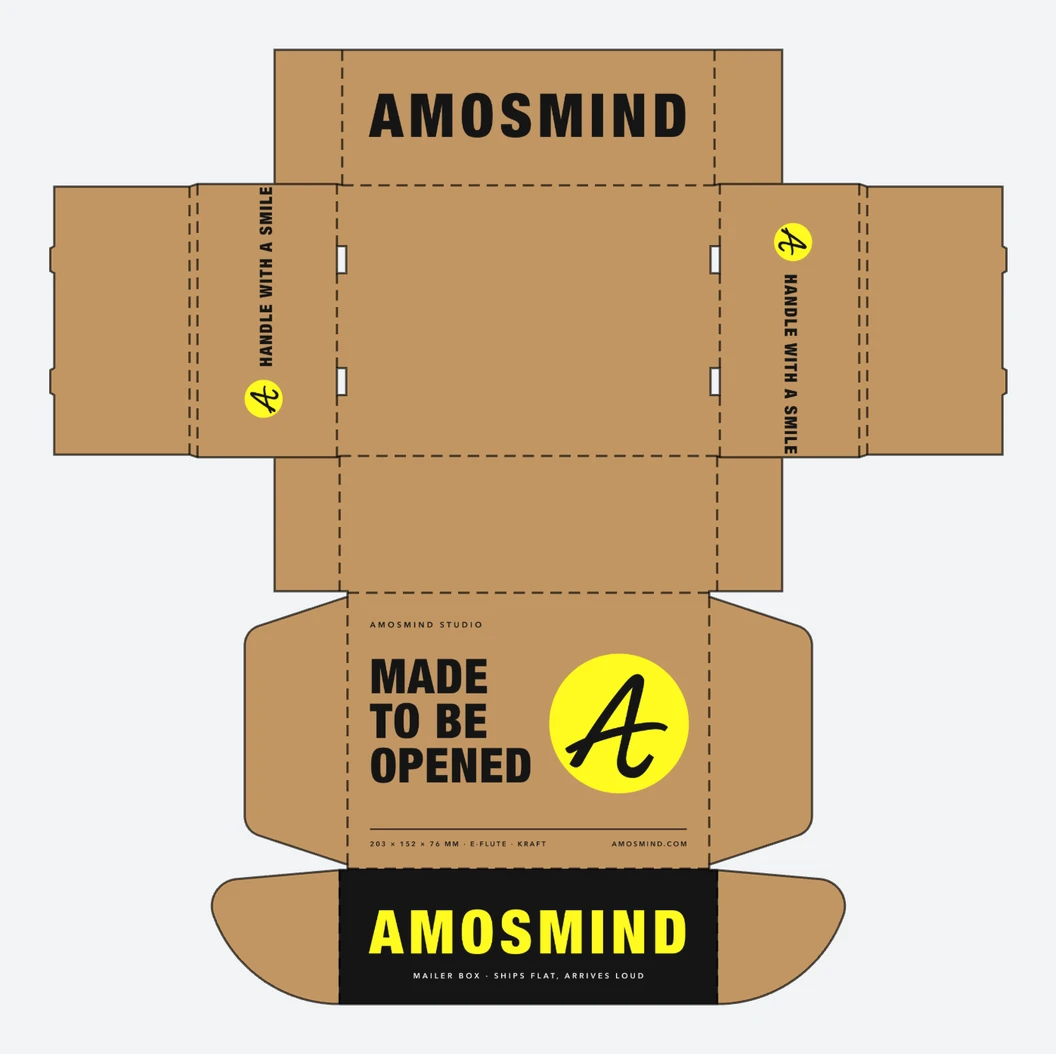
One sheet makes the whole box: a base, double side walls that roll over and lock into slots in the base, and a lid with a front flap and two side flaps. Our model has 19 panels and 22 crease lines. Because the walls are double, the box is stiffer than its board suggests.
Mailer boxes are sold by inside size. This one starts at 203 × 152 × 76 mm (8 × 6 × 3 in), and at that size the flat sheet measures 537 × 536 mm. It is usually cut from E-flute board, about 1.5 mm thick, or B-flute, about 3 mm, in kraft or with a white outer face.
The lid, the front and the sides carry the brand on the outside. Many brands also print the inside of the lid, because it is the first thing a customer sees when the box opens. Each printed side is a separate pass at the printer, so inside printing adds cost.
Start from a size that is already sold, or type your own. The first number is the length along the front, the second the width from front to back, the third the height.
| Size | Inside, in millimetres | What it suits |
|---|---|---|
| 8 × 6 × 3 in | 203 × 152 × 76 mm | The size this mockup starts at. Cosmetics, candles, small gift sets |
| 10 × 8 × 4 in | 254 × 203 × 102 mm | Folded clothing, subscription kits |
| 12 × 9 × 2 in | 305 × 229 × 51 mm | Shirts, prints and other flat items |
| 14 × 10 × 4 in | 356 × 254 × 102 mm | Larger apparel, bundles |
These are standard sizes listed by custom box makers, all inside dimensions. Makers quote a tolerance of about 3 mm (1/8 in), so leave a little room around the product.
Three kinds of people open this box, and each wants something different from it.
See your logo on a box in your size before you pay for a minimum order.
Show the client the closed box, the open lid and the inside print from one file.
Change the artwork every month and keep the same box.
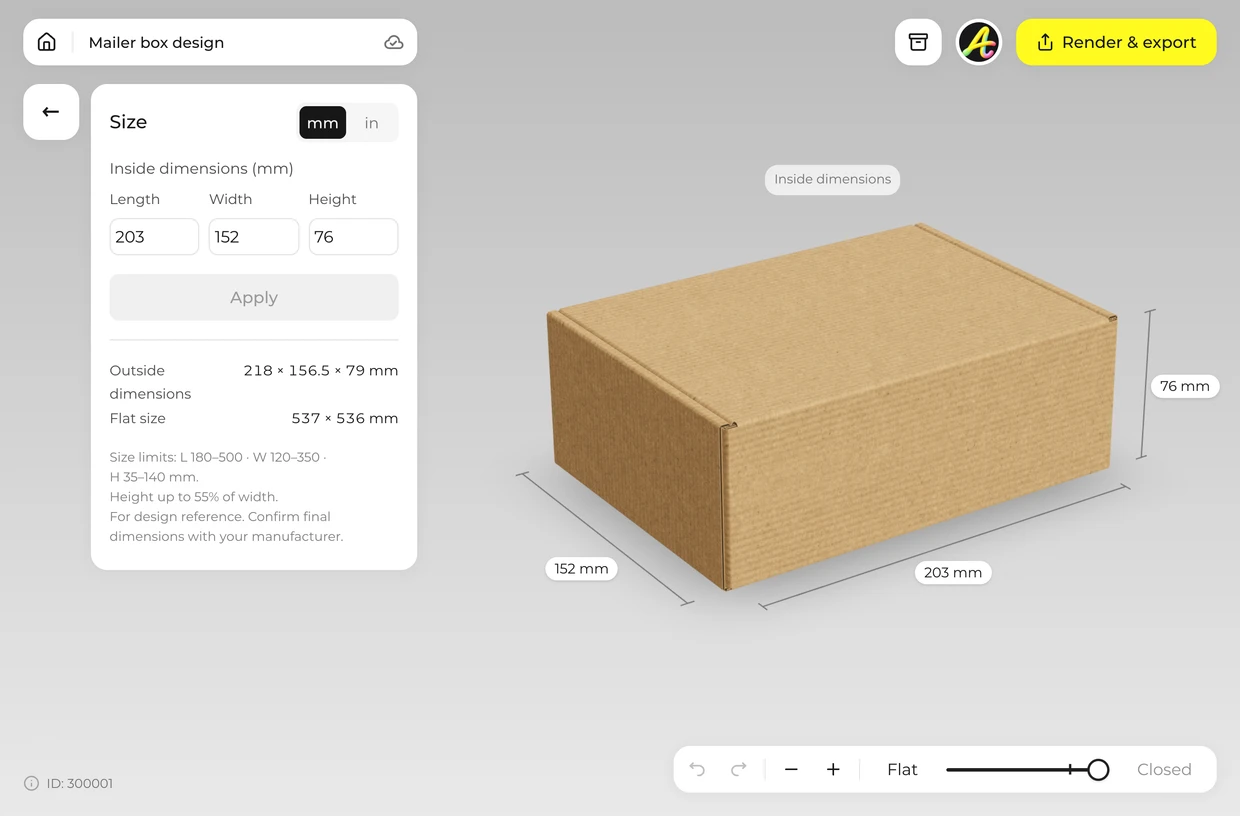
Measure your product, add room for padding and type the inside length, width and height. The editor accepts 180–500 × 120–350 × 35–140 mm and shows the outside dimensions once you apply the size. Height can be up to 55% of the width.
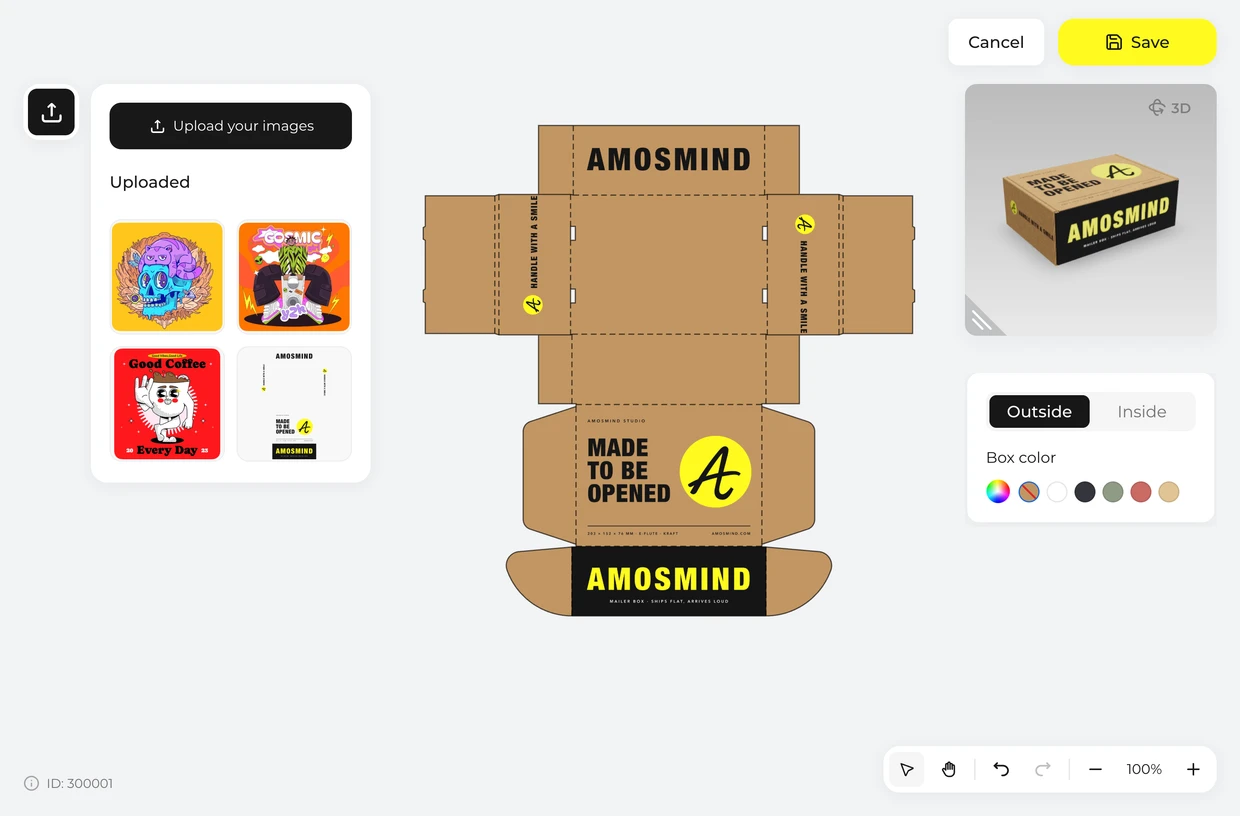
Click Upload artwork and drop your design on the flat sheet. Cut lines and crease lines are drawn on it, so you can see which panel becomes the lid, the front and the sides, outside or inside.
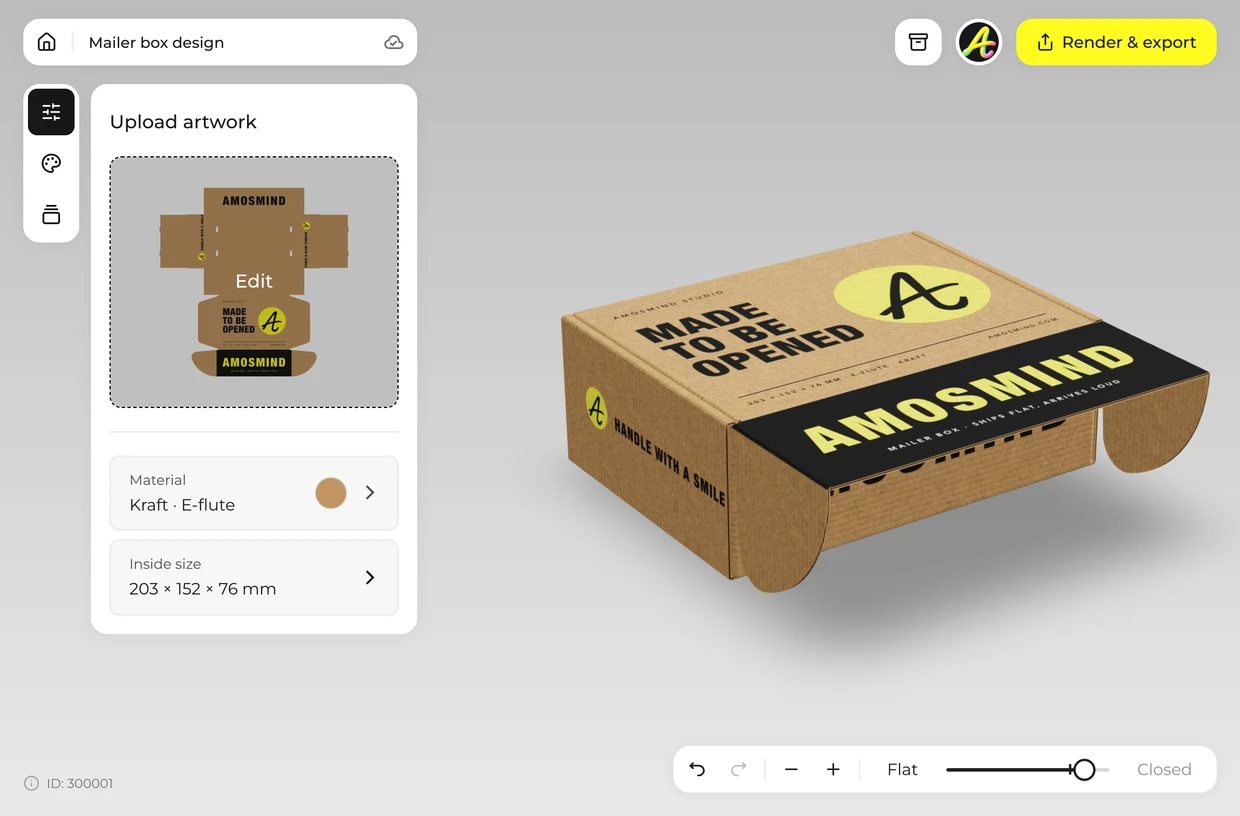
Drag the Fold slider from Flat to Closed and watch the same sheet become the box. Stop at Open to check the inside of the lid.
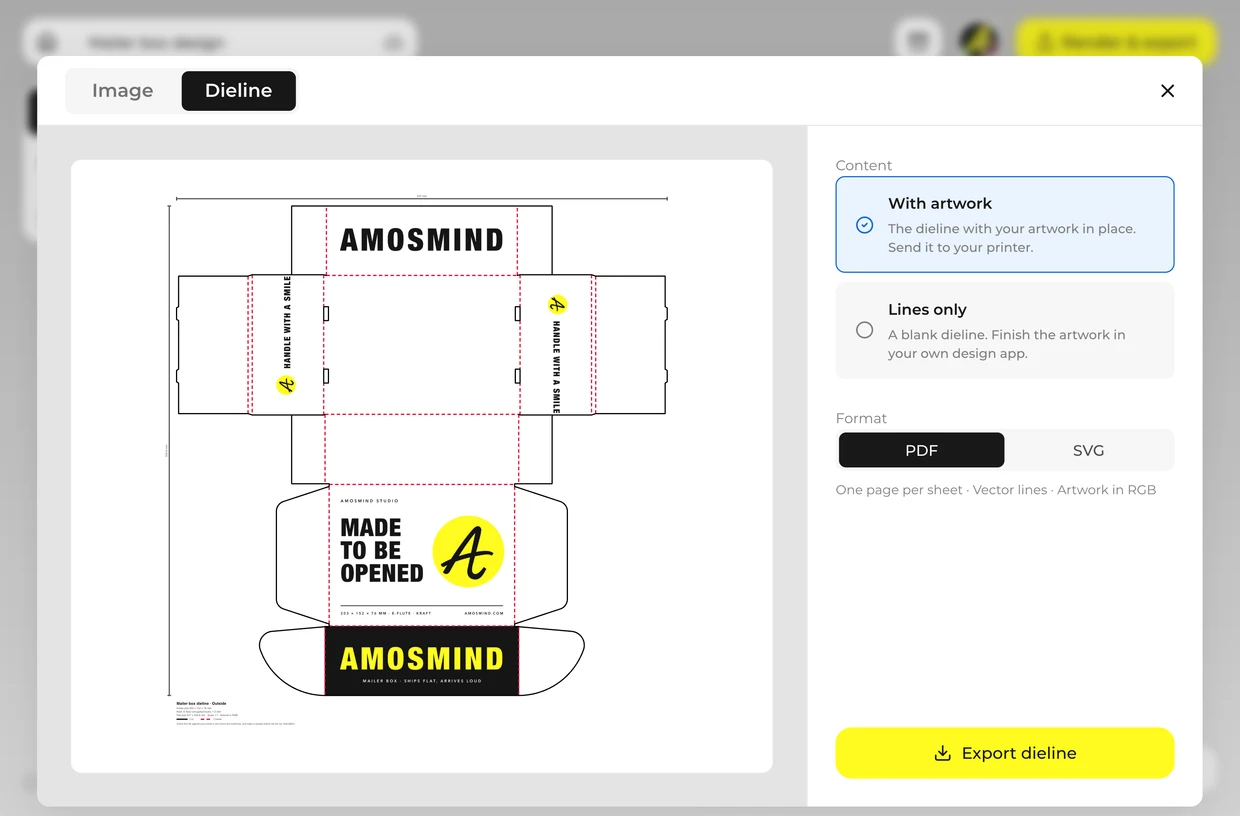
Render a JPG or PNG up to 4K for your store or your client. Export the dieline as a PDF or SVG at full size, with cut lines, crease lines and your artwork in place, and send it to your packaging supplier. Ask them to check it against their own board and machines and to make a sample before the full run: board thickness, tolerances and glue areas differ from one factory to the next.
Every box opens in the same live 3D editor.
Three kinds of file come out of the same project. The picture is for showing the box; the dieline is for making it.
| File | Format | Use it for |
|---|---|---|
| Image | JPG or PNG, 2K or 4K | Store pages, pitch decks, social posts |
| Cut-out | PNG with a transparent background | Your own layouts and product photos |
| Dieline | PDF or SVG at full size, 537 × 536 mm at the starting size | Your printer or box maker: cut lines, crease lines and your artwork in place |
The dieline is drawn from the size and board you set. It is a starting file for your printer, who will check it against their own board, machines and glue areas and make a sample before a full run.
Short answers about sizes, materials and files.
There is no single size. Custom box makers list standard sizes from 6 × 4 × 3 in to 14 × 10 × 4 in. This mockup starts at 8 × 6 × 3 in (203 × 152 × 76 mm) and you can set any inside size within 180–500 × 120–350 × 35–140 mm. Height can be up to 55% of the width.
Set the size, click Upload artwork and place your design on the dieline, then render the image. It runs in your browser, with nothing to install.
Yes. Switch the flat editor from Outside to Inside and place artwork on the inside of the lid or the base. Open the box in 3D to see it.
Yes. Export the dieline as a PDF or SVG at full size, with cut and crease lines and your artwork. Ask them to check it against their own board and machines and to make a sample before the full run: board thickness, tolerances and glue areas differ from one factory to the next.
Both. The Material panel has Kraft, White outside and White both sides, in E-flute or B-flute.
A mailer box is one piece that folds up and tucks shut, and it is made to be opened by the customer. A shipping box is a glued carton sealed with tape, made to protect what is inside in transit. Many brands put one inside the other.
No. The box is a 3D model that opens in your browser, and you export finished JPG or PNG images and the dieline. There's no PSD file to edit.
Browsing the boxes and turning them in 3D is free. Log in with an email code or Google to upload artwork, save projects and render images. Exporting a rendered image or a dieline needs a free account; rendering and downloads are free right now.